


News
Training on Harmonized Road Assets Data Collection and Inventory Manual Launched in Arusha
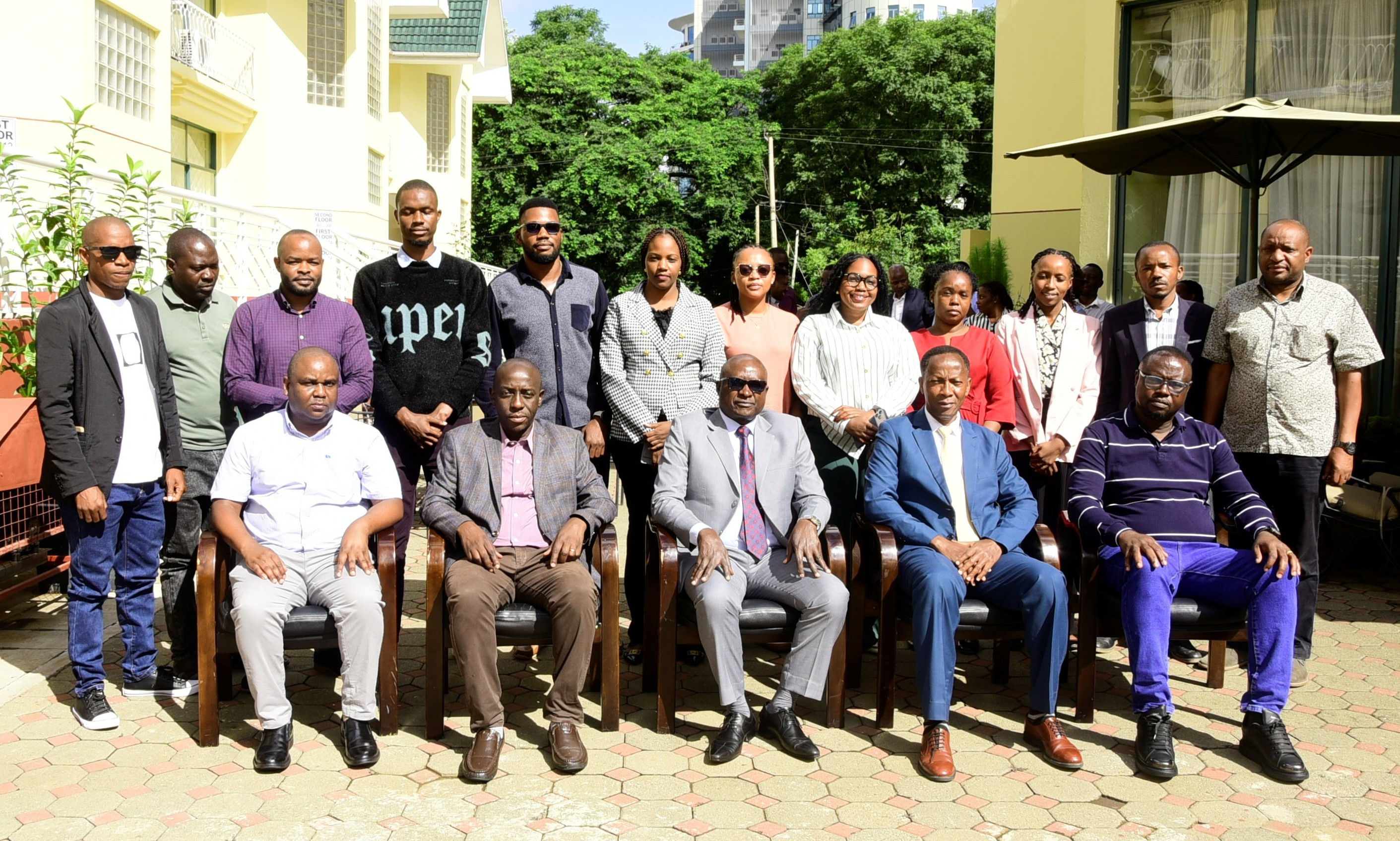
The government, through the Road Fund Board, has officially launched a special training on the harmonised road assets data collection and inventory manual in Arusha Region. The training brings together experts from the Tanzania Rural and Urban Roads Agency (TARURA) and the Tanzania National Roads Agency (TANROADS).
While opening the training, the Acting Chief Executive Officer of the Road Fund, Engineer Rashid Kalimbaga, emphasized that the initiative is a strategic step toward modernizing road asset management in the country.
He stated that the main objective of the training on the harmonised road assets data collection and inventory manual is to build a shared understanding of the new guidelines and to establish a unified, strong, and improved system for collecting accurate and reliable data. This, he noted, will enable effective planning, prioritization, and implementation of road projects with high efficiency.
Engineer Kalimbaga explained that for a long time there have been challenges due to inconsistencies in data collection systems between TARURA and TANROADS, which resulted in a lack of a comprehensive overview of the national road network.
“Without accurate, reliable, and standardized data, it is impossible to make productive decisions regarding investment and maintenance of road infrastructure,” he stressed.
He further noted that the previous guideline did not align with current international requirements in road asset management, leading to a decline in data quality. As a result, the Ministry of Works, through the Road Fund Board, took deliberate steps to develop an improved harmonised road assets data collection and inventory manual, which will be fully integrated with modern Road Assets Management Systems (RAMS).
From a professional standpoint, Engineer Kalimbaga directed that all road asset management systems must be developed in line with international standards, particularly ISO 55000, to ensure efficiency, transparency, and sustainability in managing this vital infrastructure for the national economy.
On his part, the Acting Director of Technical Services at the Road Fund Board, Engineer Jacob Mukasa, said that initial steps have already begun to yield results. Baseline data on roads, bridges, and other infrastructure has been collected in some regions of the Southern Highlands as part of piloting the new system.
He encouraged participants to make full use of the training on the harmonised road assets data collection and inventory manual to strengthen their technical capacity and ensure that data collection and management are carried out effectively and in accordance with established standards.
The four-day training on the harmonised road assets data collection and inventory manual, which is the second phase for experts from TARURA and TANROADS, is expected to bring positive changes in the road sector by improving resource utilization and enabling data-driven decision-making